Why does using a speedbooster give an extra stop of light?
I'm totally making up the math here. Say we're using a full-frame lens on an APS-C camera, e.g. some M42 vintage lens you want to adapt to your Fuji X body. Assume the lens outputs light at a rate of .
The lens outputs a full-frame image circle, which is bigger than an APS-C image circle, so it will encompass the whole APS-C sensor and more. Say the APS-C sensor area is , and the time it takes to get the right exposure is . Then the number of photons it receives is .
What a speed booster, or focal reducer, does is take the whole output full-frame image circle and bend all the light so that the output becomes an APS-C image circle, covering approximately the APS-C sensor. If we assume this light bending introduces no loss, then the time it takes to get the same exposure is only , which satisfies:
Here, is the area of a full-frame sensor.
This means:
Since:
where and are the radii of the APS-C and full-frame image circles, respectively.
Say we're using the Viltrox EF-FX2 Pro, which is advertised to have a reduction ratio of 0.71, meaning:
Of course, this is an ideal scenario, and exposure depends on various factors, including the metering mode you're using. If using a focal reducer gives a result somewhere around that magnitude, I'll call it correct.
To put this to the test, I used the TTArtisan 75mm F1.5 swirly-bokeh lens on my Fujifilm X-T5 with a hollow adapter—don't have the heart to call it dumb—and a speed booster. The hollow adapter is just a hollow metal tube, with one end mounting to the camera and the other end accepting an M42 lens. The Viltrox EF-FX2 is noticeably heavier, as it contains glass to bend all that light, with one end mounting to the camera and the other end accepting an EF lens. Since the TTArtisan lens is M42, I used an M42-to-EF adapter, so the setup is lens → M42-EF → EF-FX2 → camera. Here are pictures of the two setups:
| Hollow adapter | Speed booster |
|---|---|
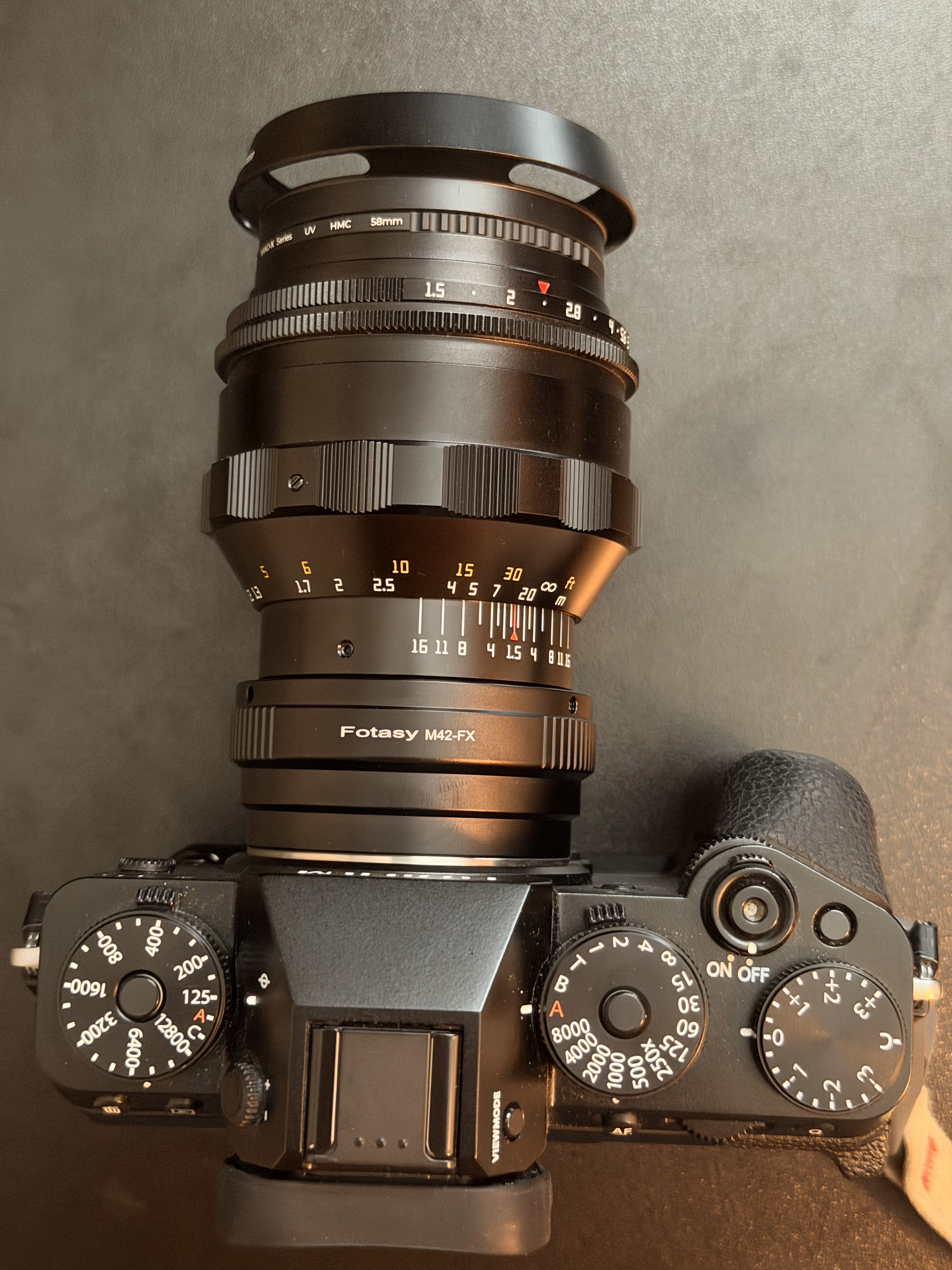 | 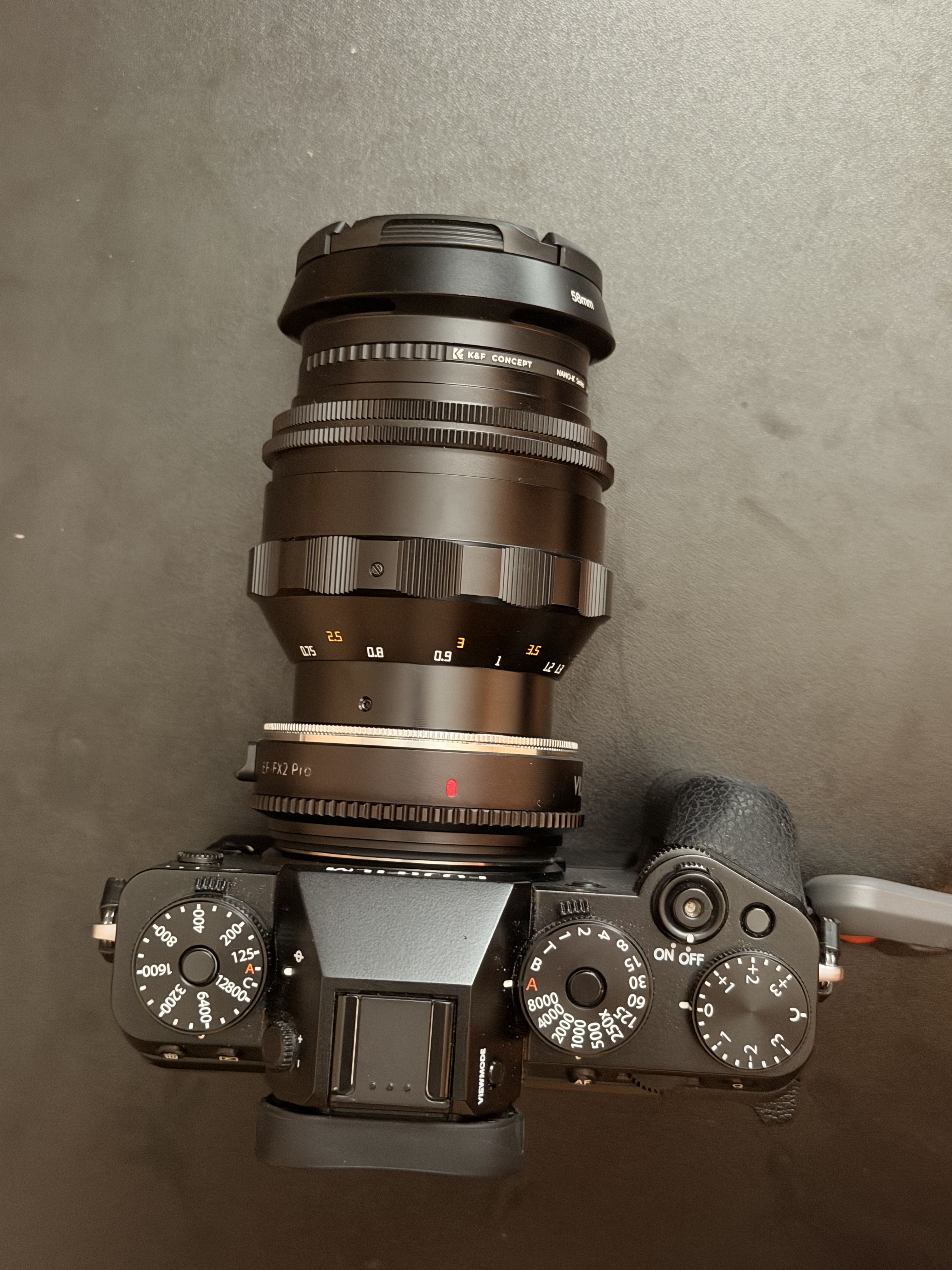 |
I put the camera on a tripod at a fixed distance from the subject, set the ISO to 125 and the aperture to F1.5, and left the shutter speed on auto.
| Hollow adapter | 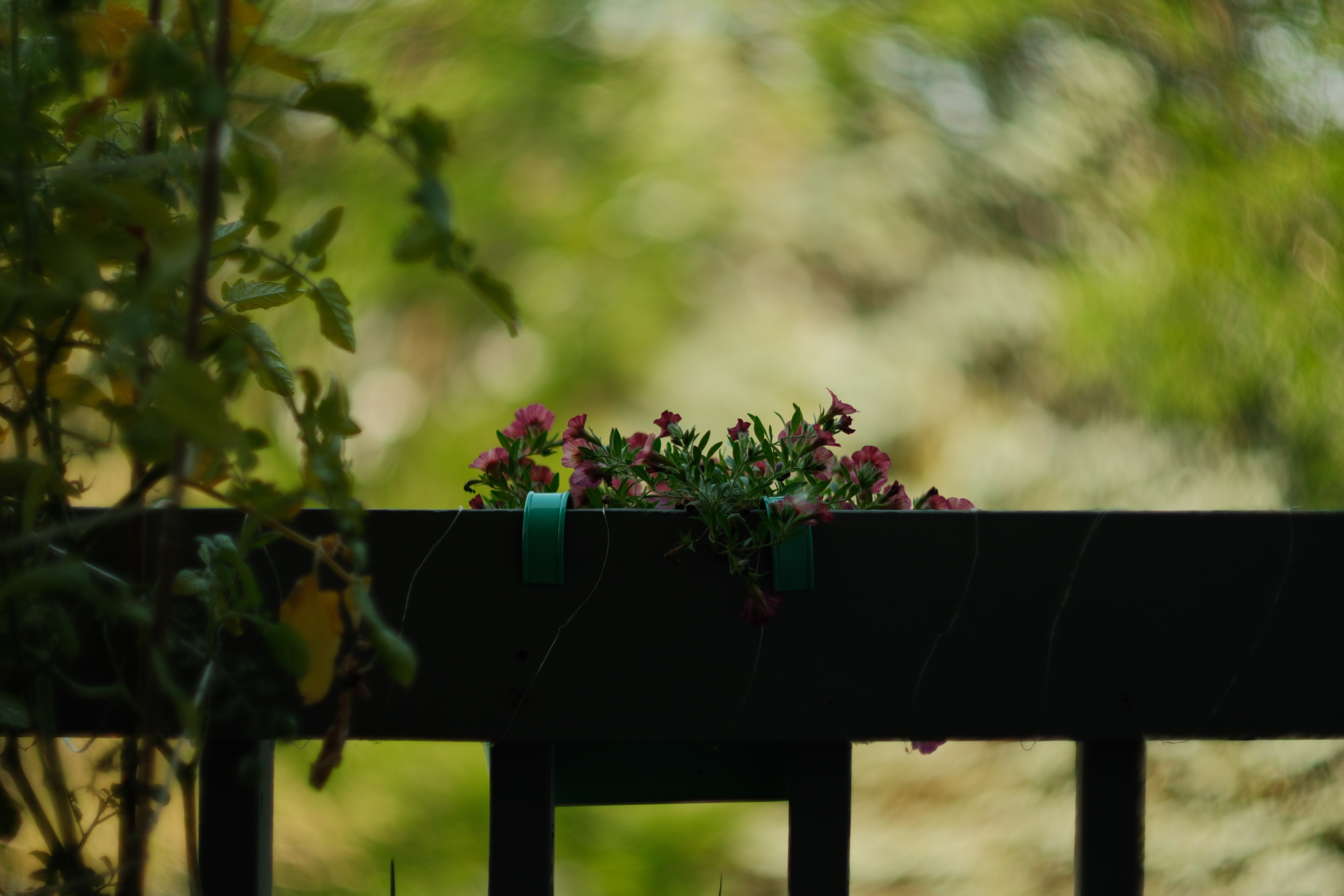 |
| Speed booster | 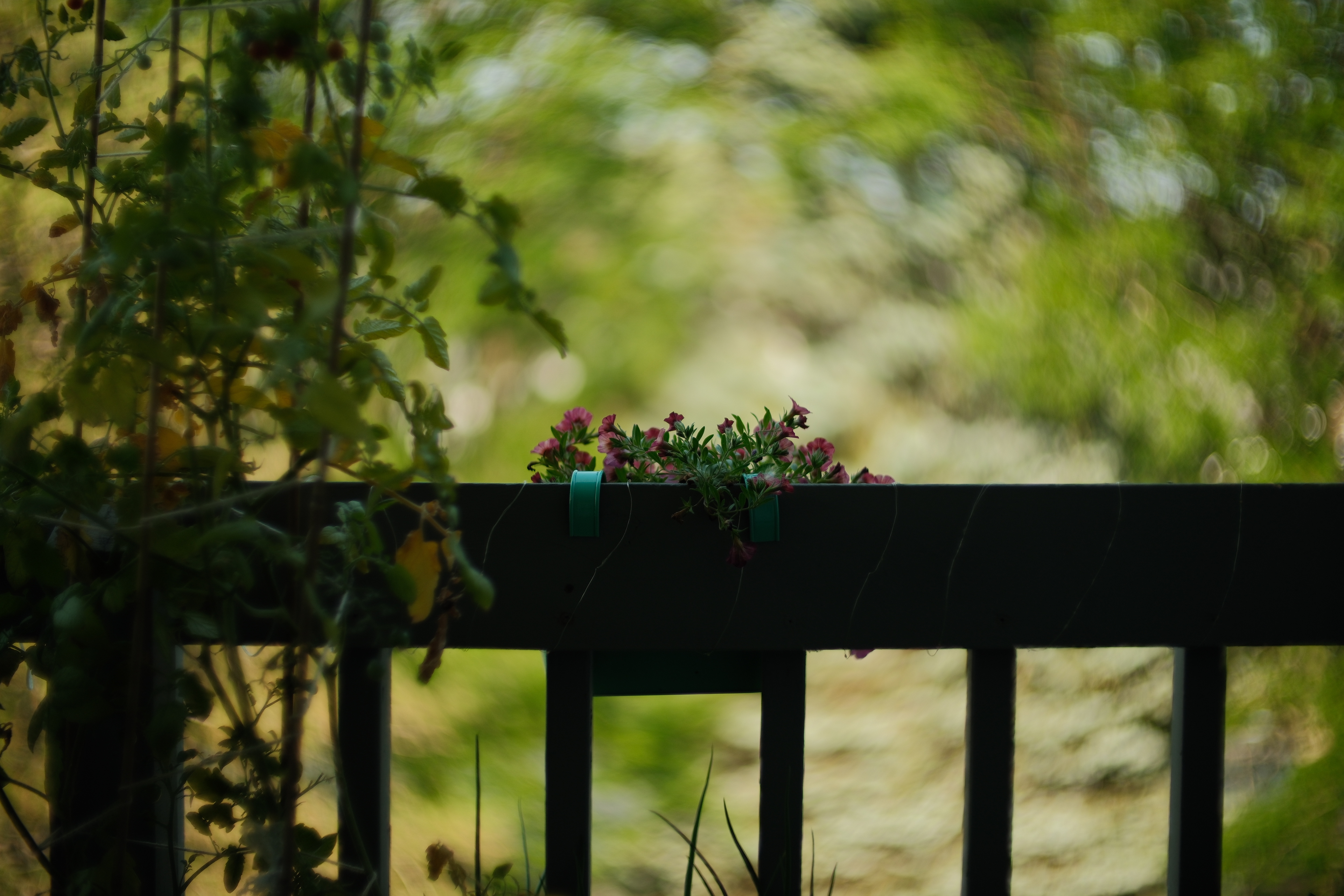 |
We can clearly see that the speed booster's image is less cropped, therefore showing more of the background falloff and more of the lens's swirly effect. So, how about the speed? I recorded the shutter speed for the hollow adapter as seconds, while the speed booster's was seconds, so that's a boost of:
which is definitely what we expected 🙃. To be fair though, exposure depends on various factors and in this case when we shoot an "outdoor" scene, the lighting could change constantly, hence it's not correct to test this way unless we use 2 identical cameras and shoot at the same time. It's probably better to measure this under a fixed setting condition such as inside a studio with controlled lighting. Unfortunately I don't have any such setting that could shine this lens' swirly bokeh so I opt for this rough estimate instead. Overall as long as we get faster shutter, I think it's still valid.
A day after I did this test, I realize I got an old canon 5d mk ii, so maybe I should give it a run too. Here are the comparison between the three. Ignoring the horrible saturation on the fuji photos, I was probably using some weird recipe, also the after taking the photo with Canon, the sun came out of the cloud and shined strongly. One thing I can see is that the Viltrox speed booster, while giving more of the view, still crops a bit compared to the Canon.
| Hollow adapter | 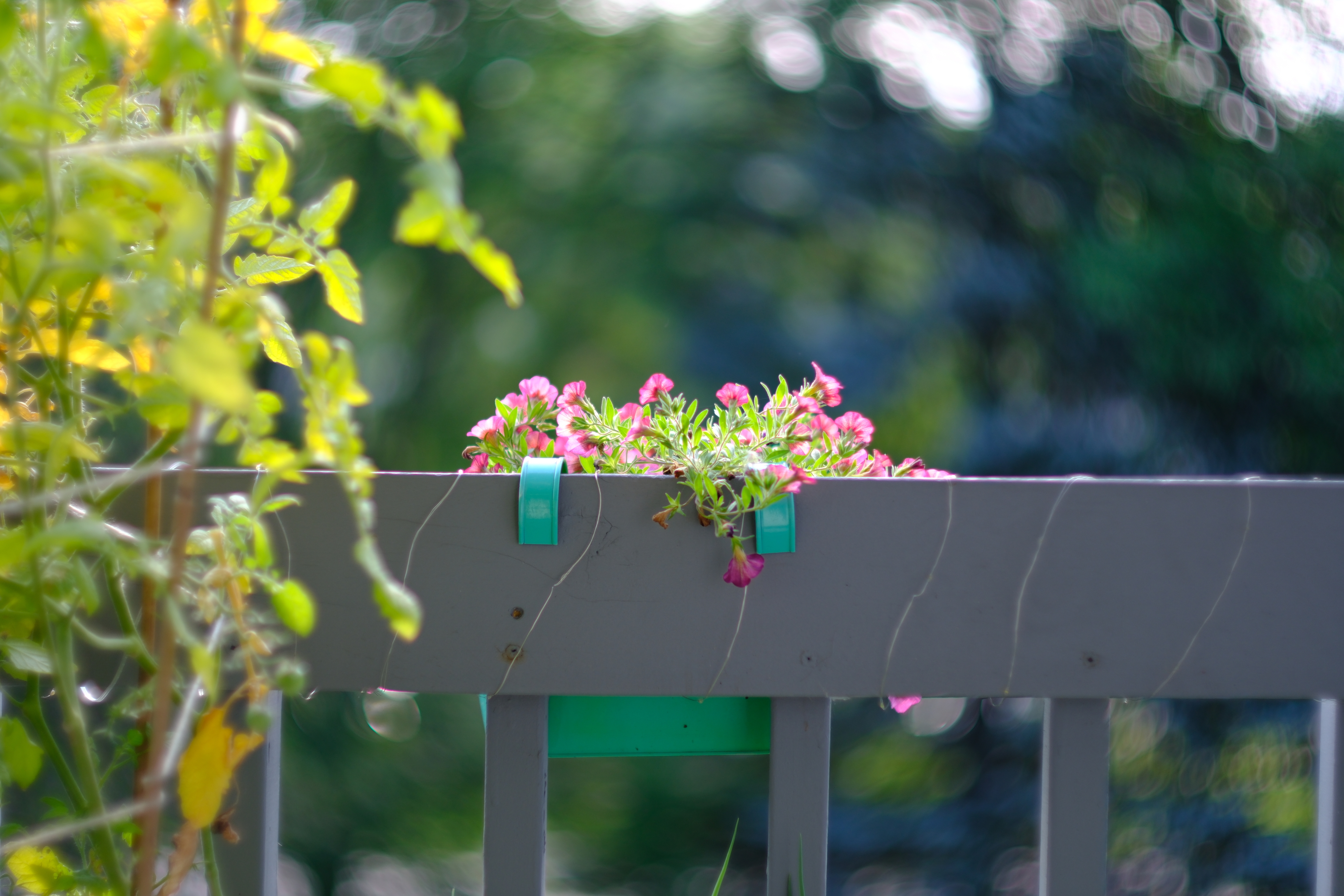 |
| Speed booster | 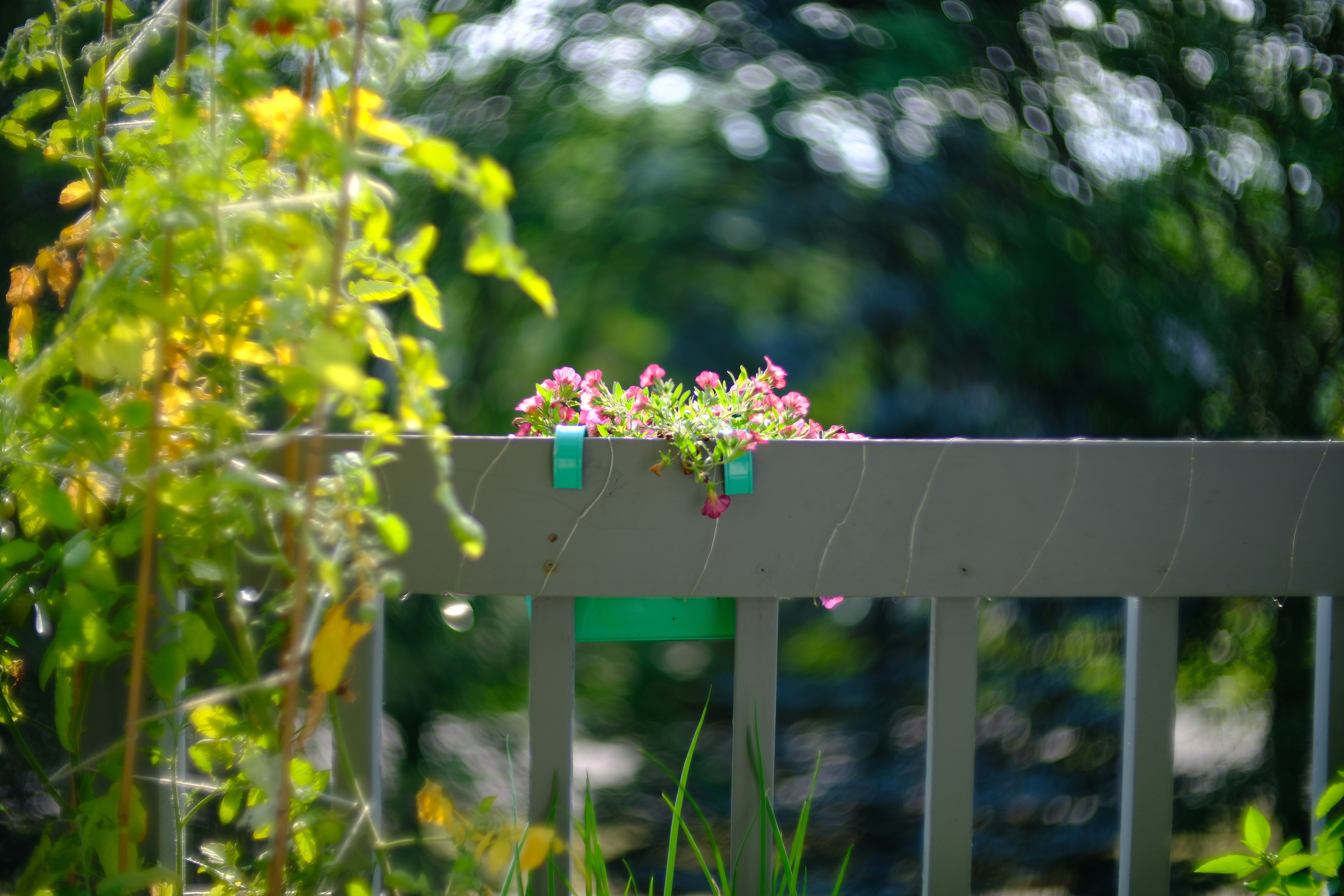 |
| Canon 5D Mk II | 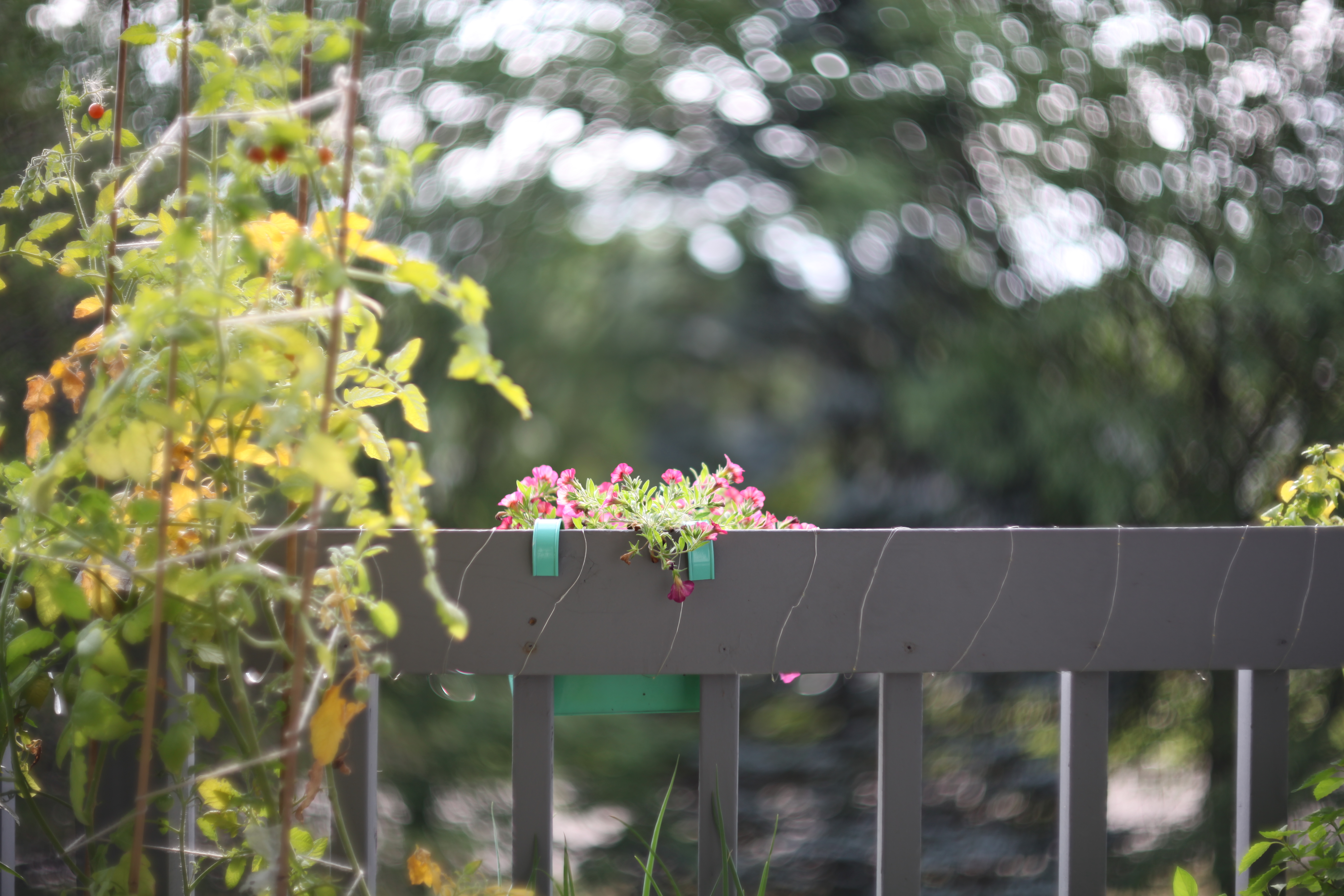 |
I'm no profession, so I cannot really comment on how this Viltrox adapter performs in terms of sharpness or anything else. But to me, it's been a blast using manual full-frame vintage/modern lenses with this adapter. Below are some more examples of using this adapter:
LensBaby Double Glass II → Viltrox EF-FX2 → CameraA few more from TTArtisan 75mm F1.5 Swirly Bokeh, maybe I was also using a swirly lens filter too.
TTArtisan 100mm F2.8 bubble bokeh.
And I think these come from various lenses, the TTArtisan 75mm F1.5 swirly, TTArtisan 250mm F5.6 reflex lens, and maybe also the TTArtisan 100m F2.8 bubble bokeh.